You have successfully logged out.

Why Do Dental Implant Buyers Need an Implant Wrench?
An Implant Wrench may look like a small tool, yet it plays a precise role in implant procedures. It helps a clinician apply controlled torque when tightening compatible implant components. Picture a compact wrench engaging a screw inside a narrow space. A stable fit matters. So does using the correct wrench for the specific implant system. Buyers should check compatibility, torque range, material, cleaning instructions, and whether the tool is reusable or single-use. These details can be easy to overlook.
For clinicians and procurement teams, the right choice supports consistent handling; it does not replace training, manufacturer instructions, or clinical judgment. A wrench that appears similar may not fit another system safely. That is worth checking twice. I can’t responsibly attribute a quotation to a named implant-industry expert without a verifiable source. Before publication, confirm any expert’s name and exact words against an interview, professional publication, or manufacturer document. This small pause improves credibility—and protects readers from polished but unsupported claims.
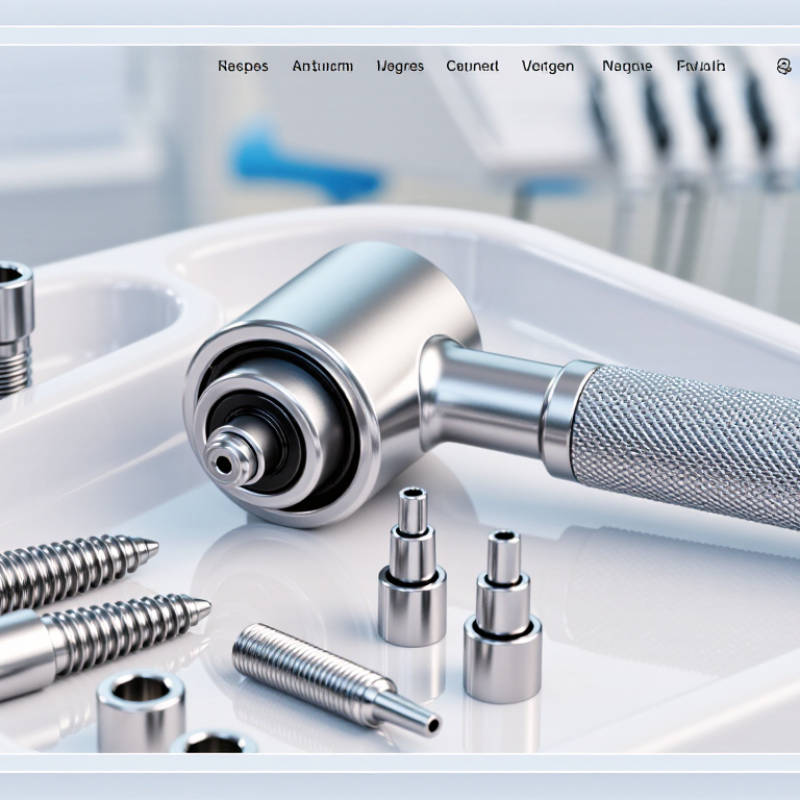
What an Implant Wrench Is and How It Fits into Implant Dentistry
An implant wrench is a hand instrument used to apply controlled rotation to implant components. Depending on the system, it may help tighten an abutment screw, seat a prosthetic part, or connect components during treatment. A torque wrench adds a measurable limit, usually shown in newton-centimeters. The exact setting must come from the component instructions, not guesswork. Small tool, precise job.
That precision matters because implant restorations rely on secure connections. A 2019 systematic review in the International Journal of Prosthodontics reported an estimated 10-year implant survival rate of 96.4%. Survival does not depend on one instrument alone, but careful handling is part of sound clinical practice. In use, the clinician selects the matching driver, checks that it is fully engaged, and applies force steadily. A poorly seated tip can slip or damage the screw head. It is an easy detail to overlook.
For buyers, the wrench is not simply an accessory; it must fit the implant connection and intended procedure. Some wrenches are manual, while others include torque control. Reusable instruments also need inspection and sterilization according to their instructions. Even a calibrated tool can be misused. That deserves a pause. A dental professional should verify compatibility and torque requirements before use, since one wrench rarely suits every implant system.