You have successfully logged out.

China Top 10 Needles And Sutures Manufacturers?

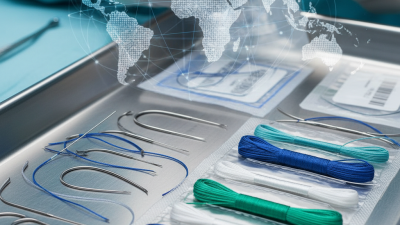
China’s Needles And Sutures manufacturing sector has expanded from low-cost production toward specialized, quality-driven medical manufacturing. This shift matters in operating rooms, where a curved needle, polished tip, or uneven thread can influence handling and tissue response. Details matter.

This introduction to China’s Top 10 Needles And Sutures Manufacturers examines more than factory size. It considers product range, material consistency, needle geometry, coating technology, sterile packaging, traceability, and documented quality systems. Manufacturers serving hospitals and distributors should demonstrate dependable production under recognized medical-device requirements. ISO 13485 certification, validated sterilization, batch records, and transparent testing are useful signals, though certificates alone do not guarantee clinical performance. Buyers still need samples, technical files, and independent verification.

Wound-care surgeon and researcher Dr. David G. Armstrong has repeatedly emphasized that “the wound is not just a hole in the skin; it is a biological problem.” That perspective helps explain why suture selection cannot rely only on price or catalog photographs. Absorbable and non-absorbable materials behave differently. Fine needles may reduce tissue disruption, while stronger sutures may support demanding closure sites. The best choice depends on procedure, tissue condition, surgeon preference, and patient factors.

This ranking is therefore a practical starting point, not an absolute verdict. Public information can be incomplete, product specifications may vary by model, and supplier claims require careful checking. Some manufacturers may excel in custom production but offer limited international support. Others may provide strong documentation yet have less competitive pricing. A thoughtful comparison should leave room for questions, testing, and revision.
China Top 10 Needles And Sutures Manufacturers?

How China’s Needle and Suture Manufacturing Industry Is Organized

China’s needle and suture industry is organized through several connected manufacturing layers. Upstream suppliers produce stainless steel wire, polymers, coatings, and packaging materials. Needle specialists then draw, cut, sharpen, drill, and polish metal components. Their work resembles precision machining on a very small scale.

Suture manufacturers handle filament extrusion, braiding, twisting, dyeing, and coating. Other facilities attach needles, sterilize finished products, and seal medical packaging. Some factories control the full process, while many operate as focused OEM or contract manufacturers. This structure supports flexible orders, but it can make supplier evaluation difficult. A capable factory should provide batch records, process controls, and clear traceability.

Quality teams commonly check needle strength, point geometry, suture diameter, knot performance, sterility, and package integrity. Testing may occur internally and through independent laboratories. Manufacturing systems often follow medical-device quality standards, with documented inspections and corrective actions. From a buyer’s perspective, visiting the production floor reveals details that certificates cannot show: cleanroom discipline, calibration labels, operator training, and rejected-product storage.

The sector is efficient, but not flawless. A polished sample may hide inconsistent batches. Smaller workshops may also depend heavily on outside sterilization or testing. That is why audits should examine the entire supply chain, not only the final assembly line. Reliable cooperation grows from transparent records, realistic specifications, and repeated performance checks.

Criteria for Evaluating China’s Top Needle and Suture Manufacturers

China Top 10 Needles and Sutures Manufacturers?

Evaluating leading Chinese needle and suture manufacturers requires more than checking production volume. I look for documented quality systems, trained inspectors, and consistent batch records. Facility visits can reveal practical details, including cleanroom behavior, storage conditions, and material control. A polished factory tour can mislead.

Technical performance matters most. Needles should show stable geometry, smooth penetration, and reliable attachment strength. Sutures require controlled diameter, tensile strength, knot security, and predictable handling. Ask for material specifications, test methods, and recent quality reports. Sterilization validation and package integrity deserve close attention. Small packaging defects can damage confidence.

Traceability is essential. Each batch should connect raw materials, operators, equipment, inspections, and release decisions. I also examine corrective-action records, not only successful certificates. Problems happen. The response shows maturity. Independent sample testing can verify factory claims before larger orders. Communication speed matters when specifications change or defects appear. Clear export documentation supports dependable delivery. References from comparable medical buyers may add useful evidence, but they should not replace an audit. Some evaluations remain imperfect because production conditions change after approval. Periodic reviews are therefore sensible.

Criteria for Evaluating China’s Top Needle and Suture Manufacturers

This benchmark uses practical procurement criteria for comparing manufacturers of surgical needles and sutures. The weighted framework emphasizes product quality, regulatory compliance, sterilization control, material performance, traceability, delivery capability, and post-market reliability. It is an evaluation model rather than a ranking of individual companies.

Top 10 Chinese Manufacturers of Needles and Surgical Sutures

China’s top ten needle and surgical suture manufacturers serve hospitals, distributors, and private-label medical suppliers worldwide. Their product ranges commonly include hypodermic needles, biopsy needles, absorbable sutures, non-absorbable sutures, and wound-closure kits. Selection should begin with clinical purpose, not price alone. A fine needle may reduce tissue trauma, while a stronger suture can support closure under tension.

Experienced buyers inspect more than polished catalogs. They request material certificates, sterilization records, lot numbers, and sample packages. Needle geometry, bevel sharpness, suture memory, and knot security deserve practical testing. Packaging should remain sealed after transport simulation. Clear traceability is essential when a batch requires investigation. Manufacturers with controlled cleanrooms and documented quality systems usually provide more consistent results.

The ten manufacturers differ in production scale, export experience, and customization ability. Some focus on high-volume standard products. Others handle smaller orders or specialized needle designs. Factory audits can reveal details that brochures hide, such as operator training and warehouse humidity control. It is also wise to compare lead times against actual shipping records. No factory is perfect. A supplier may hold strong certifications but still need improvement in communication or sample consistency. That weakness should be recorded, not ignored. Clinical users should confirm local registration requirements before purchasing, because approval pathways vary between markets.

Product Types, Technologies, and Quality Standards Compared

China Top 10 Needles and Sutures Manufacturers: Product Types, Technologies, and Quality Standards Compared

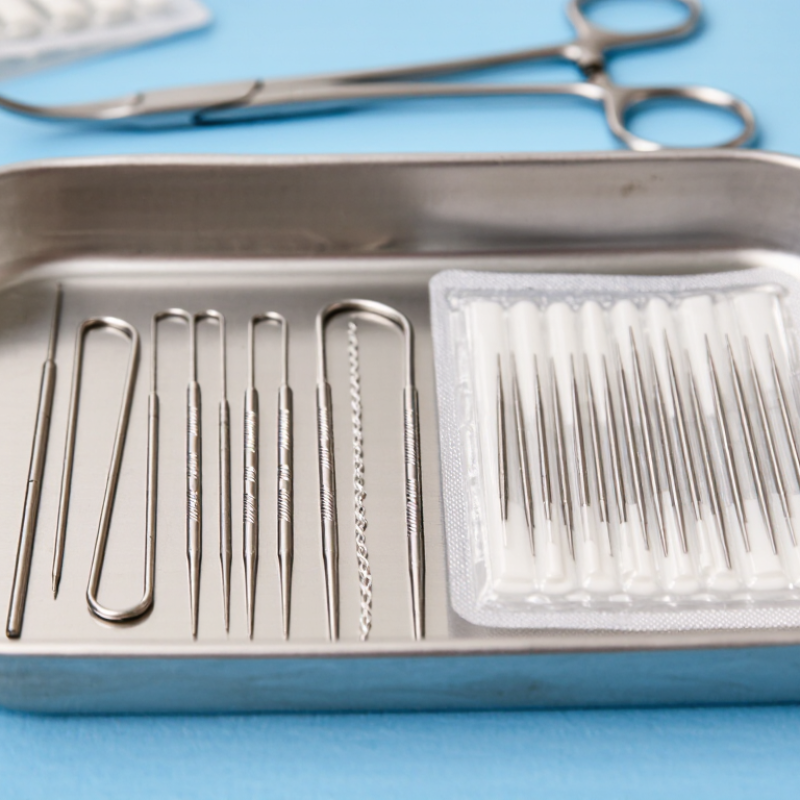
A useful comparison starts with product types, not rankings alone. Surgical needles may be cutting, reverse-cutting, taper-point, or blunt. Sutures can be absorbable, non-absorbable, monofilament, or braided. Each design affects tissue response, handling, and knot security. In real procurement work, needle curvature and diameter can matter as much as material. Small differences are noticeable under operating-room lighting.

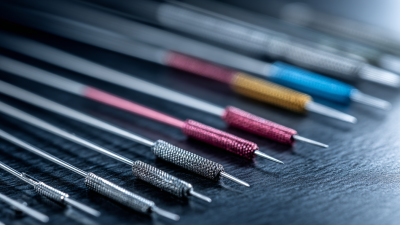
Manufacturing technology deserves close inspection. High-precision grinding supports consistent needle points and smooth penetration. Laser marking can improve traceability without weakening the needle. Controlled braiding helps reduce fraying and memory. For sutures, coating uniformity influences glide and knot performance. Reliable manufacturers should provide batch records, sterilization validation, and documented inspection results. ISO 13485-based quality systems are important, but certification alone does not prove excellent clinical performance. That assumption needs challenging. Buyers should also review ISO 10993 biological evaluation, tensile strength, needle attachment, and packaging integrity.

Tips: Request samples from several production batches. Test needle penetration and suture pull strength under controlled conditions. Check whether the package shows lot numbers, expiry dates, and sterilization details. Ask how nonconforming products are isolated. A factory tour can reveal cleanliness, operator training, and inspection discipline. Do not compare price before comparing specifications. The cheapest option may create higher replacement costs, though this is not always obvious.

How to Select a Suitable Chinese Needle and Suture Supplier

A top-ten list is only a starting point when selecting a Chinese needle and suture supplier. The World Health Organization estimates that about 16 billion injections occur worldwide each year. This volume makes sterility, needle sharpness, and batch traceability essential. Ask for ISO 13485 certification, recent audit records, and product-specific quality data. A certificate alone proves little.

Review the supplier’s materials, coating options, tensile strength, and needle penetration results. Request samples from different production lots. Inspect the suture package, label, seal, and expiry information. Grand View Research estimates the global surgical sutures market will continue growing through 2030. That growth may attract inexperienced factories. Price is not enough.

Evaluate manufacturing capacity, complaint handling, and change-control procedures. Confirm whether testing is performed internally or by an independent laboratory. Check sterilization validation and the supplier’s ability to provide complete technical files. A practical audit should include a factory walk-through, not only video calls. I have found that delivery promises often sound stronger than production evidence. No checklist is perfect. Leave room for doubt, and verify every important claim before placing a large order.