You have successfully logged out.

What Is a PEMF Foot Machine and How Does It Work?
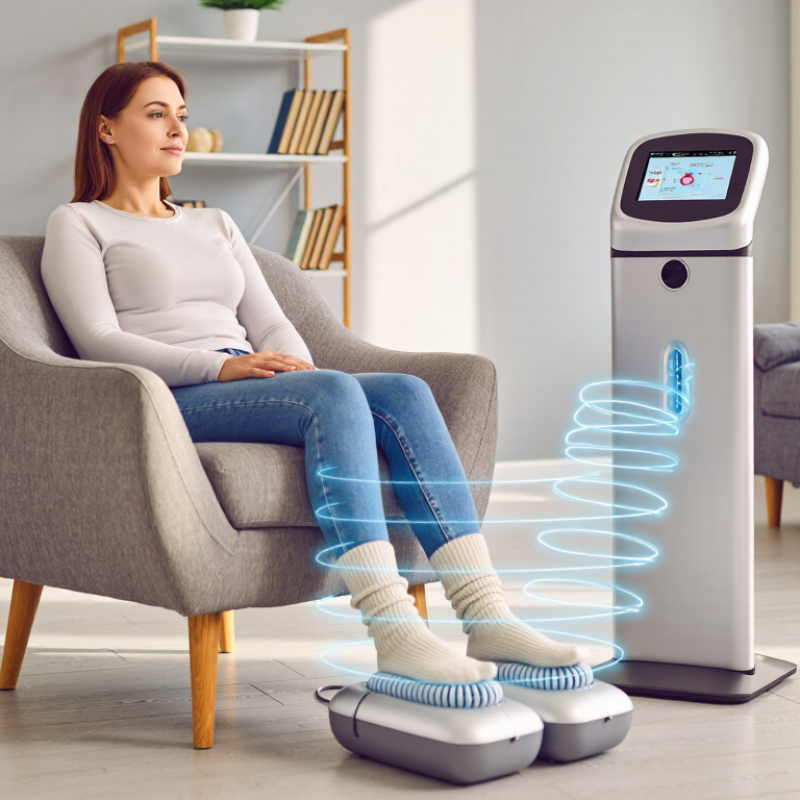
A Pemf Foot Machine uses pulsed electromagnetic fields to deliver low-frequency energy through foot-sized applicators. The user usually sits with both feet inside padded coils. The device then produces gentle pulses, rather than heat, pressure, or electrical shocks.
The proposed mechanism is simple. Changing magnetic fields may induce small electrical currents in nearby tissues. Laboratory research has explored possible effects on cellular signaling, circulation, and pain pathways. However, results differ by frequency, intensity, treatment time, and medical condition. The technology is not a cure-all. That matters.
Regulatory evidence also needs careful reading. The U.S. Food and Drug Administration has cleared specific PEMF devices for limited uses, including certain bone-healing applications. This clearance does not validate every Pemf Foot Machine claim. The National Institutes of Health and related clinical reviews also show uneven evidence across conditions. Market reports from Grand View Research and Fortune Business Insights describe growing interest in electromagnetic therapy devices, but commercial growth is not proof of clinical effectiveness.
Dr. William J. Pawluk, a physician and PEMF educator, describes PEMF as “a non-invasive technology that may support the body’s natural healing processes.” His wording is appropriately cautious. It does not promise guaranteed results.
A practical session may involve warm socks, quiet pulses, and ten to thirty minutes of seated use. Yet, users should check contraindications carefully. People with implanted electronic devices, pregnancy concerns, or serious medical conditions should consult a qualified clinician. A Pemf Foot Machine can be an interesting complementary tool, but expectations should remain realistic, evidence-based, and regularly reviewed.
What Is a PEMF Foot Machine?
What Is a PEMF Foot Machine and How Does It Work?
What Is a PEMF Foot Machine?
A PEMF foot machine is a non-invasive device designed to expose the feet to pulsed electromagnetic fields. It usually contains coils beneath a platform or inside a foot-shaped applicator. During use, changing magnetic fields may create very small electrical currents in nearby tissues. Researchers believe these signals can influence cellular communication, circulation, and inflammatory responses. The mechanism sounds simple. Human biology is not.
The World Health Organization reports that musculoskeletal conditions affect about 1.71 billion people worldwide. This helps explain growing interest in foot-based recovery tools. However, population data does not prove that PEMF relieves every type of foot pain. A PubMed-indexed systematic review found that PEMF studies often use different frequencies, intensities, and treatment schedules. Results are therefore difficult to compare. Regulatory materials also describe PEMF clearance for specific medical applications, including certain bone-healing uses, rather than unlimited wellness claims.
Tips: Check field strength, frequency, session length, and published safety information. Do not judge effectiveness by warmth; many PEMF devices produce little or no heat. People with implanted electronic devices, pregnancy concerns, unexplained swelling, or persistent numbness should seek professional advice first. A foot machine should support appropriate care, not replace diagnosis or prescribed treatment.
The evidence is promising, but uneven. That matters. A comfortable session may improve routine adherence, yet comfort alone is not clinical proof. Device settings and personal response can vary considerably.
What Is a PEMF Foot Machine and How Does It Work?
| Data Dimension | Typical Information | How It Relates to Use |
|---|---|---|
| What it is | A noninvasive device that generates pulsed electromagnetic fields around the feet. | The user places the feet on or inside an applicator while the device delivers programmed electromagnetic pulses. |
| Primary mechanism | Electrical current passes through coils, producing a magnetic field that changes over time. | The magnetic field can pass through footwear and soft tissue without direct electrical contact with the skin. |
| Field pattern | Pulsed rather than continuous; the field is switched on and off or varied according to the selected program. | Different pulse patterns may be used for different operating modes, depending on the device design. |
| Common frequency range | Many consumer PEMF systems operate at low frequencies, commonly from about 1 to 100 Hz; the exact range varies by model. | Frequency is normally selected through preset programs or device controls. |
| Magnetic-field intensity | Output can range from low microtesla levels to millitesla levels, depending on the applicator and settings. | Intensity is not standardized across all foot machines, so specifications should be checked in the user manual. |
| Typical session duration | Approximately 10–30 minutes per session is common, although recommended times vary. | Users should follow the manufacturer’s stated schedule rather than extending sessions independently. |
| Foot placement | The feet are usually positioned on a flat pad, inside a foot-shaped enclosure, or between magnetic applicators. | Correct positioning helps place the intended area within the device’s active field. |
| What the user typically feels | Many users feel little or nothing. Some devices may produce mild warmth, vibration, or an audible operating sound. | The absence of a noticeable sensation does not indicate whether the device is operating. |
| Common intended uses | Personal wellness routines and adjunctive use for certain applications permitted by the device’s regulatory status. | PEMF should not be presented as a replacement for diagnosis, medication, physical therapy, or other prescribed care. |
| Evidence considerations | Research findings vary by condition, waveform, frequency, intensity, treatment schedule, and study quality. | Results from one PEMF device or medical application should not automatically be applied to every foot machine. |
| Important precautions | People with implanted electronic devices, such as pacemakers or neurostimulators, should obtain medical advice before use. | Consult a qualified healthcare professional when pregnant, managing a serious condition, or using implanted or electronically controlled medical equipment. |
| Basic operating steps | Place the device on a stable surface, position the feet correctly, select the approved program, and start the session. | Stop use if discomfort occurs and follow the cleaning, storage, and maintenance instructions supplied with the device. |
| Key specification to compare | Frequency, magnetic-field intensity, waveform, active treatment area, timer settings, and applicable regulatory clearance. | Comparing these specifications provides more useful information than relying only on general claims about PEMF technology. |
Note: Specifications and recommended settings vary by device. This table provides general educational information and is not medical advice.