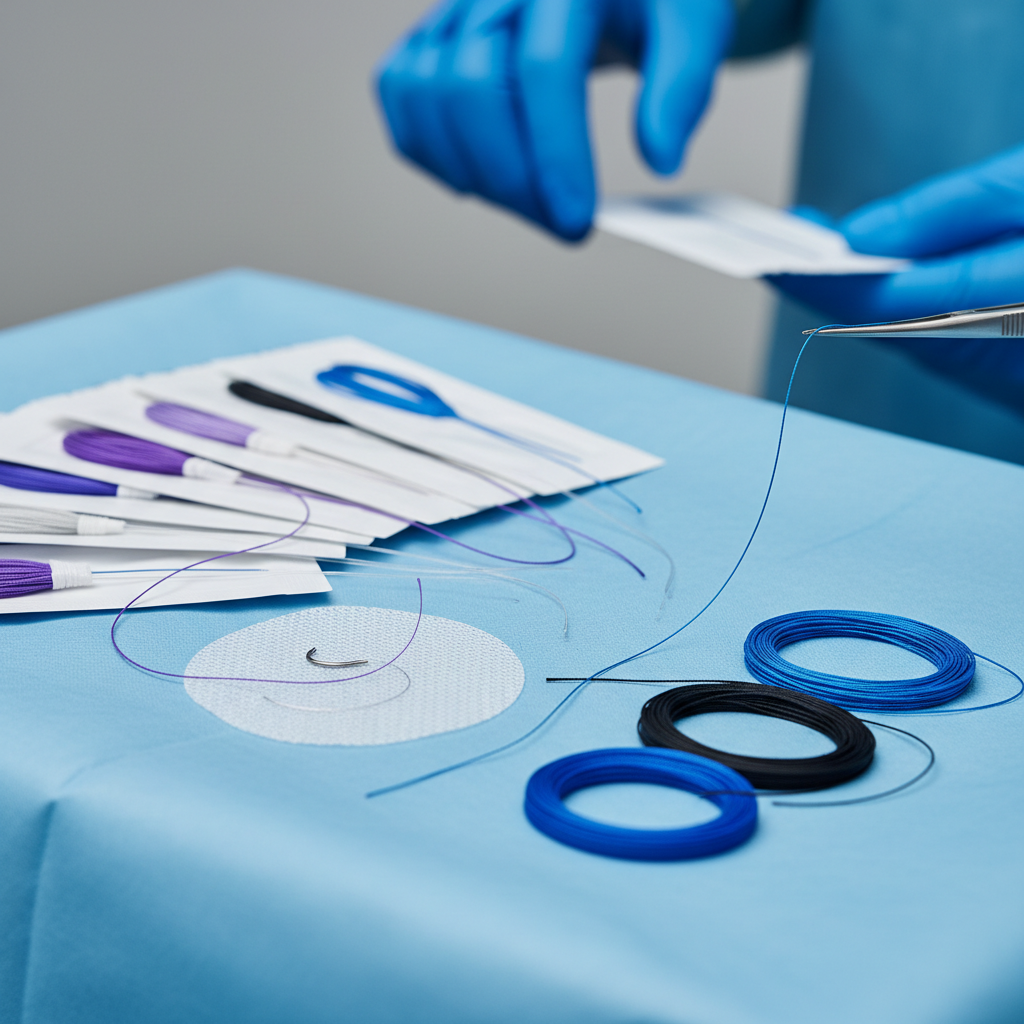
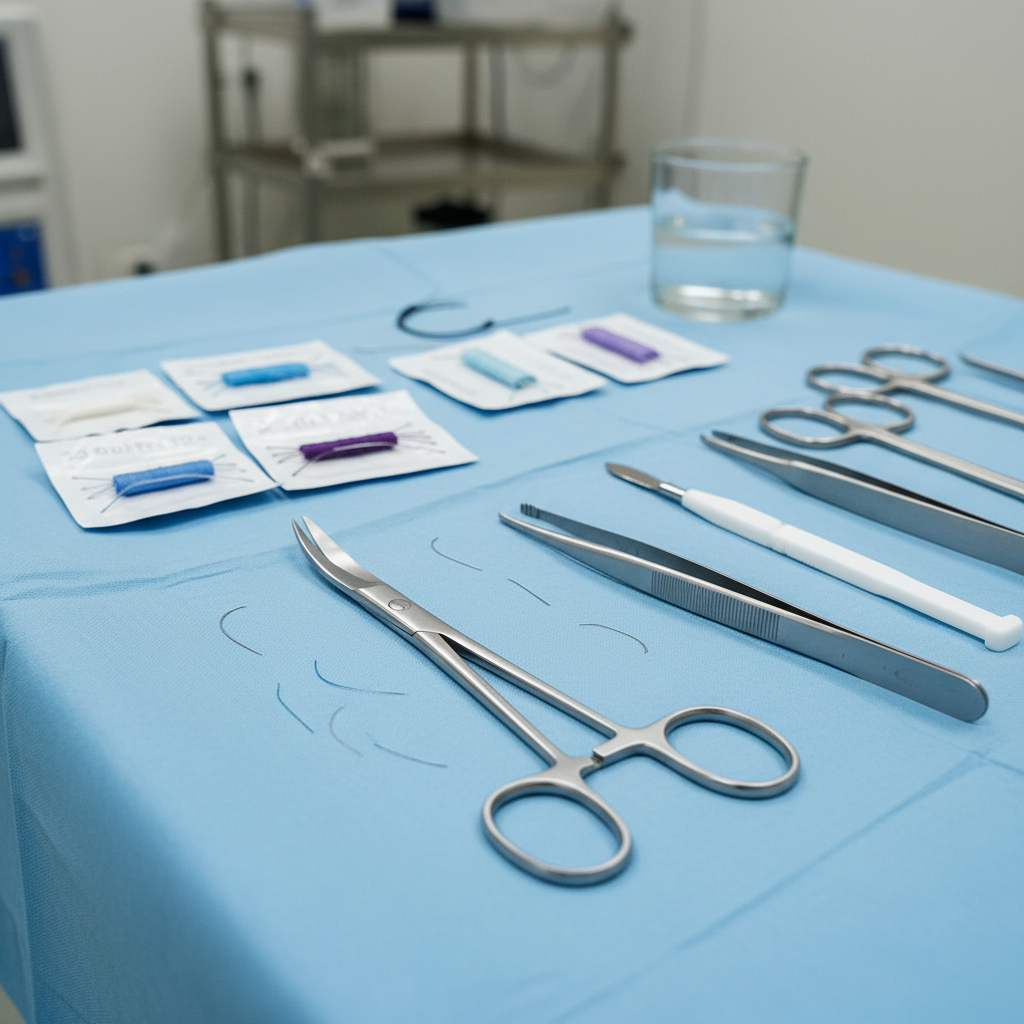
Top 5 Essential Suture Supplies Every Medical Professional Should Have
In the fast-evolving field of healthcare, the importance of having the right tools cannot be overstated. Among these tools,
suture supplies remain at the forefront of essential equipment for medical professionals.
According to a recent report by the Medical Device Manufacturers Association (MDMA), the global market for suture supplies
is projected to reach $4.7 billion by 2025, reflecting the growing demand for
high-quality surgical products. This surge can be attributed to advancements in surgical techniques, which have made
suturing a critical component of patient care across various specialties.
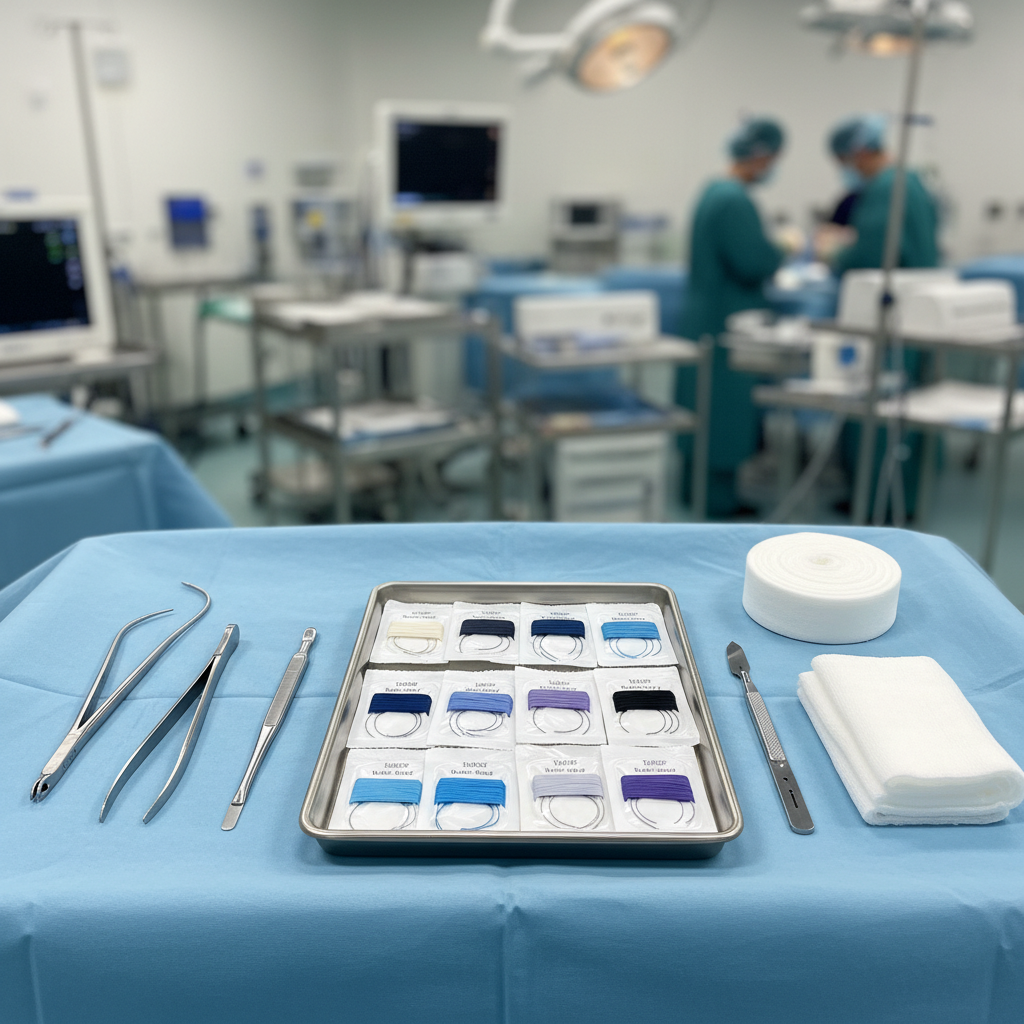
Dr. Emily Carter, a prominent expert in surgical materials, emphasizes the significance of quality
in suture supplies by stating, "The right suturing materials can make a substantial difference in not just the speed of surgical
procedures but also in patient recovery times." This highlights the necessity for medical professionals to equip themselves
with the top suture supplies that meet the highest industry standards.
As we delve into the top five essential suture supplies, it is crucial to understand that these items not only enhance the
efficacy of surgical procedures but also play a vital role in ensuring patient safety and optimal outcomes. By prioritizing
the right tools, healthcare providers can significantly improve their practice while contributing to the
broader aim of advancing surgical care.
Essential Types of Sutures: A Guide for Every Medical Professional
When it comes to suturing, understanding the essential types of sutures is critical for every medical professional. The choice between absorbable and non-absorbable sutures primarily depends on the location and nature of the wound. Absorbable sutures, made from materials like polyglycolic acid, are ideal for internal tissue since they don’t require removal. In contrast, non-absorbable sutures, such as silk or nylon, are preferred for skin closure, as they provide prolonged support and can withstand considerable tension.
**Tips:** Always assess the wound's condition and healing environment before choosing your suture type. If there's a higher likelihood of infection, consider using sutures that allow for easier removal or those containing antimicrobial properties. According to a study from the Journal of Surgical Research, the proper selection of sutures can reduce surgical site infections by up to 30%, highlighting the importance of informed choices.
In addition to sutures, having a well-stocked emergency kit is vital. Such kits should include a variety of sutures, antiseptics, and dressings tailored to different wound types. Incorporating supplies that cater to various scenarios—like outdoor injuries or surgical emergencies—ensures preparedness. Evidence from the American College of Surgeons states that a comprehensive first aid kit significantly enhances the likelihood of effective wound management in emergency situations.
Top 5 Essential Suture Supplies Every Medical Professional Should Have
| Suture Type |
Material |
Absorbability |
Common Use Cases |
Needle Type |
| Vicryl |
Synthetic Braided |
Absorbable |
Soft tissue approximation |
Cutting or Taper |
| Silk |
Natural Fiber |
Non-absorbable |
Surgical closures and ligation |
Cutting |
| Monocryl |
Synthetic Monofilament |
Absorbable |
Dermal closure |
Taper |
| Nylon |
Synthetic Monofilament |
Non-absorbable |
Skin closure and suturing |
Cutting |
| Prolene |
Synthetic Monofilament |
Non-absorbable |
Cardiovascular and plastic surgery |
Cutting or Taper |
Selecting the Right Needle: Key Considerations for Suture Procedures
When selecting the right needle for suture procedures, medical professionals must consider various factors to ensure optimal outcomes. The choice of needle plays a crucial role in wound healing and minimizing tissue trauma. According to a report by the American College of Surgeons, the use of appropriately sized needles can reduce suturing time by up to 25%, highlighting the efficiency gained through proper selection.
Key considerations include the needle’s diameter, curvature, and the type of suture material utilized. The World Health Organization (WHO) emphasizes that a finer needle can enhance precision in delicate areas, such as vascular or pediatric surgeries.
Additionally, the incorporation of needles with a special coating can significantly decrease friction, providing a smoother passage through the tissue. An in-depth understanding of needle characteristics not only improves surgical outcomes but also increases patient satisfaction and promotes quicker recovery times.
Medical professionals should continually educate themselves on advancements in suture technology to stay at the forefront of surgical practice.
Must-Have Sterilization Supplies to Ensure Safe Suture Practice
When it comes to suturing, the importance of sterilization supplies cannot be overstated. According to a 2022 report by the Centers for Disease Control and Prevention (CDC), approximately 1 in 31 hospital patients has at least one healthcare-associated infection, and improper sterilization practices contribute significantly to this statistic. To mitigate such risks, medical professionals must prioritize robust sterilization protocols, incorporating essential supplies like autoclaves, sterilization pouches, and indicators to verify sterility.
Among the critical sterilization supplies, autoclaves stand out as the gold standard for achieving high-temperature steam sterilization. The World Health Organization (WHO) recommends that all surgical instruments undergo this rigorous sterilization process to eliminate pathogens effectively. Furthermore, using sterilization pouches with clear indicators not only ensures that instruments are sterile prior to use but also provides a visual confirmation that enhances safety. Failure to adhere to these best practices can lead to complications for patients, making adequate sterilization supplies an indispensable part of a medical professional’s toolkit.
Suture Materials: Comparing Absorbable vs. Non-Absorbable Options
Suture materials are critical in surgical procedures, and understanding the differences between absorbable and non-absorbable options can significantly impact patient outcomes. Absorbable sutures, typically made from materials like polyglycolic acid (PGA) or polylactic acid (PLA), dissolve in the body over time, usually within 60 to 90 days. According to a report by the American College of Surgeons, approximately 70% of surgeries performed in the U.S. utilize absorbable sutures, particularly in soft tissue approximation and pediatric surgeries. This choice reduces the need for suture removal, minimizes patient discomfort, and lowers the risk of infection from external suture material.
On the other hand, non-absorbable sutures, such as nylon or polypropylene, provide durable support required for certain types of procedures, including skin closure and hernia repairs. The global non-absorbable suture market is projected to grow significantly, driven by advancements in surgical techniques and an increasing number of surgical procedures. According to a recent market analysis, non-absorbable sutures hold a substantial market share, characterized by their longevity and strength, making them crucial in situations where ongoing support is necessary. Understanding the unique properties of these materials allows medical professionals to tailor their choices, thereby enhancing surgical efficiency and patient care.
Tools for Efficient Suture Application: Beyond the Basics
When it comes to efficient suture application, having the right tools can make all the difference. Beyond standard sutures and needles, medical professionals should consider additional supplies that enhance their suturing technique. One vital tool is the suture scissors, designed with a specific shape to allow for precision cutting while minimizing damage to surrounding tissues. A quality pair of forceps is also essential, as they help in gripping the tissue securely without causing injury, ensuring a smoother suturing process.
Moreover, incorporating needle holders with a textured grip can significantly improve control during suturing. These holders facilitate precise manipulation of the needle, particularly in tight or intricate areas. Additionally, using a suture assistant or a tensioning device can aid in achieving consistent tension across the suture line, enhancing the overall outcome. By recognizing the importance of these specialized tools in conjunction with basic suturing supplies, medical professionals can elevate their skill and efficacy in providing optimal patient care.