You have successfully logged out.

Choosing Maternity Pads in 2026 requires more than comparing package sizes. Postpartum bleeding changes during the first days and weeks after birth. A pad that feels suitable in the hospital may feel bulky at home. Comfort matters.
Dr. Alyssa Dweck, a board-certified obstetrician-gynecologist and women’s health specialist, offers a useful principle: “The best product is the one that protects you without causing irritation.” Her advice reflects an important reality. Personal recovery is not identical.
Look for Maternity Pads with strong absorbency, a soft surface, and enough length for overnight use. Wide coverage can help when lying down. Secure adhesive wings may reduce shifting during walking or feeding. Fragrance-free materials are often a sensible choice for sensitive skin. Some parents also prefer breathable layers and individually wrapped pads for easier bedside storage.
Pay attention to your body.
A sudden increase in bleeding, large clots, fever, worsening pain, or an unpleasant odor requires prompt medical advice. Product selection cannot replace clinical care. Read the packaging carefully, and change pads regularly, especially when they feel damp or uncomfortable. Wash your hands before and after changing them.
The “best” Maternity Pads may depend on delivery type, skin sensitivity, bleeding intensity, clothing, and personal preference. I have noticed that highly absorbent does not always mean most comfortable. That assumption deserves reconsideration. A practical plan includes one reliable option, one softer backup, and enough supplies for unexpected changes during recovery.
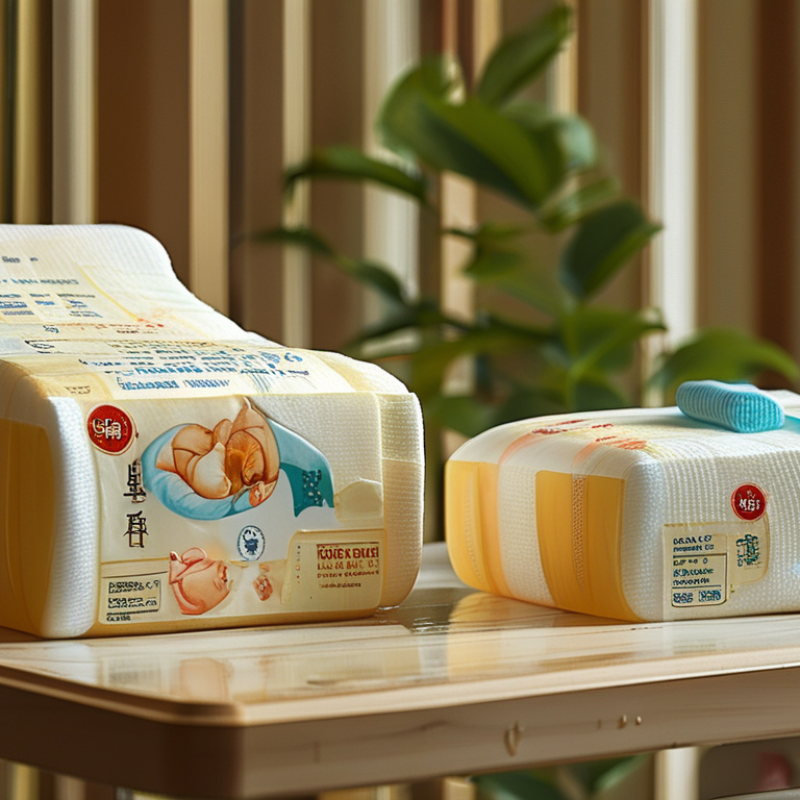
How to Choose Maternity Pads in 2026?
Understanding Postpartum Bleeding and Maternity Pad Requirements
Postpartum bleeding, called lochia, usually changes over several weeks. It may look bright red during the first days, then become brownish or pink. Later, it often turns yellow or cream. Bleeding can increase briefly after walking, breastfeeding, or resting. That can feel alarming, but patterns matter. Seek urgent medical care if you soak one large pad every hour for two hours, pass very large clots, or feel faint. Fever and a strong unpleasant odor also need prompt assessment.
Choose maternity pads with high absorbency, a soft surface, and a wide, secure shape. Longer pads can protect bedding during sleep. Breathable materials may reduce dampness around sensitive skin. Fragrance-free options are usually gentler. Change the pad every three to four hours, or sooner when wet. Avoid tampons and menstrual cups until a healthcare professional confirms healing. A practical mistake is buying only thick pads. Comfort and fit matter too.
Tips: Keep several absorbency levels nearby. Use higher absorbency at night and during heavier days. Wash your hands before and after changing. Wear loose cotton underwear, especially after stitches or a caesarean birth. I once underestimated how quickly supplies disappear during the first week. Keep extras beside the bed and bathroom. Monitor your bleeding, but do not judge recovery by another parent’s timeline. Each body heals differently.
How to Choose Maternity Pads in 2026?
Postpartum bleeding can be heavier than a regular period, especially during the first few days. Maternity pad size should match both flow and movement. A longer pad with wider coverage can protect better while resting or sleeping. For daytime use, a medium-length pad may feel less bulky. Check the back width, wing shape, and adhesive strength. A pad that shifts can cause leaks, even when its absorbency looks impressive.
Absorbency labels are useful, but they are not perfectly standardized. Look for a clear core designed to lock in fluid. High-absorbency pads suit heavy lochia, while lighter options may work later. Change the pad regularly, even when it is not full. Warm, damp materials can irritate sensitive skin. Fragrance-free designs are usually a safer choice. Soft cotton or plant-based fibers may feel gentle, while a breathable surface can reduce heat. Still, “natural” does not always mean more absorbent.
Fit matters more than marketing language. Try sitting, walking, and lying down before deciding whether the size works. No chart can predict every body shape. A common mistake is buying only one size. Keep larger pads nearby for nighttime and smaller ones for daytime. If bleeding suddenly increases, you soak a pad within an hour, or you notice fever, dizziness, severe pain, or a foul odor, contact a qualified healthcare professional promptly. Your clinician’s advice should take priority, especially after surgery or birth complications.
| Pad Type | Typical Length | Indicative Absorbency Range* | Recommended Use | Common Core Materials | Surface Materials | Key Features to Check |
|---|---|---|---|---|---|---|
| Light Maternity Pad | 24–28 cm | Approximately 20–50 mL | Light postpartum flow, later recovery days, or daytime changes | Cellulose fluff pulp, sometimes combined with superabsorbent polymer (SAP) | Soft nonwoven polypropylene, polyethylene, cotton, or a blend | Softness, breathability, secure adhesive, and a contoured shape |
| Regular Maternity Pad | 28–32 cm | Approximately 50–100 mL | Moderate lochia, routine daytime wear, and moderate menstrual flow | Fluff pulp with SAP for added liquid retention | Nonwoven fabric designed to move liquid into the absorbent core | Wide back, leak-resistant edges, wings, and a stable adhesive strip |
| Overnight Maternity Pad | 33–40 cm | Approximately 100–150 mL | Heavier flow, sleep, travel, or longer periods between changes | Thicker cellulose pulp and SAP, often with multiple absorbent layers | Soft nonwoven top sheet with a moisture-resistant back layer | Longer rear coverage, wider wings, raised leak guards, and flexible edges |
| Maximum-Absorbency Pad | 40–45 cm | Approximately 150 mL or more | Very heavy flow or the first days after delivery when extra coverage is needed | High-volume cellulose pulp and SAP, sometimes with a channelled core | Soft nonwoven surface with a breathable or moisture-resistant backing | Maximum front-to-back coverage, strong wings, high side barriers, and a secure fit |
| Disposable Postpartum Underwear | Full-brief coverage | Varies widely by design; check the manufacturer’s stated capacity | Overnight use, mobility, or when a pad may shift | Cellulose pulp and SAP integrated into a multi-layer absorbent panel | Stretch nonwoven fabric with an absorbent inner panel | Waist comfort, leg openings, tear-away sides, breathability, and sizing |
How to Choose Maternity Pads in 2026?
Choosing Pads for Different Recovery Stages
The first 24 to 72 hours usually bring the heaviest lochia. Choose a long, wide maternity pad with strong back coverage. A soft surface can reduce friction while sitting or walking. Keep several beside the bed and bathroom. Change it whenever damp, uncomfortable, or heavily stained.
Days three to ten often bring moderate flow and small clots. A thinner, breathable pad may feel less bulky under loose underwear. Avoid fragrance, harsh plastic textures, and weak adhesive strips. The World Health Organization defines the postnatal period as the first six weeks, when bleeding patterns can change quickly (WHO, 2022). One size may not suit every day.
During weeks two to six, flow commonly becomes lighter and brownish. Regular-flow pads or discreet liners may work, but only when bleeding is minimal. A common mistake is switching too early because the pad feels uncomfortable. Comfort matters, yet protection still matters more. A 2023 clinical review notes that lochia can continue for several weeks, with considerable individual variation.
Watch the pattern, not only the product. The American College of Obstetricians and Gynecologists advises urgent medical assessment for soaking through one or more pads in an hour, especially with dizziness, fever, severe pain, or large clots (ACOG, 2024). Never use a pad to delay care. Recovery is not perfectly predictable.
After birth, comfort matters more than a thin, discreet design. A maternity pad should feel soft against tender skin and stay flat while you move. Look for a wide, cushioned surface with breathable materials and flexible side wings. Fragrance-free options may reduce irritation, especially when skin feels sensitive. “Hypoallergenic” is helpful, but it does not guarantee safety for everyone. Try one pad at home before buying a larger pack.
Leak protection depends on more than absorbency claims. Choose a longer pad for nighttime and a secure shape for walking. The back should cover enough area when you lie down. A pad that shifts can leak, even when highly absorbent.
I once chose a shorter style because it felt lighter. It was more comfortable, but less reliable during sleep. That trade-off is easy to miss.
Change the pad regularly, even when it does not feel full. Moisture can increase discomfort and support skin irritation. Wash your hands before and after changing it. Midwives commonly advise contacting a healthcare professional for sudden heavy bleeding, worsening pain, fever, or an unusual odor. If your skin becomes red or sore, stop using that product and reassess the material. Personal comfort varies, so your first choice may not be perfect.
Choosing between reusable and disposable maternity pads depends on bleeding, comfort, washing access, and personal recovery needs. Disposable pads offer predictable absorbency and quick changes during the first days after birth. They are useful when bleeding is heavy or laundry is difficult. Reusable pads can reduce household waste and long-term spending. However, they need thorough washing, complete drying, and enough clean spares.
The European Environment Agency reports that textiles create significant environmental pressure across their life cycle. Yet, reusable products are not automatically greener. Frequent hot washing, tumble-drying, and short product life can change the result.
A 2024 Grand View Research report valued the global feminine hygiene products market at over 25 billion US dollars, showing strong demand for improved menstrual and postpartum care products. That figure does not prove that every new pad is better. It signals a need for clearer absorbency and material information. WHO postpartum-care guidance supports monitoring bleeding and seeking professional help when warning signs appear.
Tips:
Choose a wide, soft pad with secure coverage. Keep several disposable pads for travel or overnight use.
Select reusable pads with absorbency layers and washable, breathable fabric. Change pads regularly, even when they feel comfortable.
Wash reusable pads according to the care label. Do not use one longer to save money.
Contact a qualified clinician for sudden heavy bleeding, large clots, fever, dizziness, or an unpleasant smell.
Personal comfort matters, and my first assumption was wrong: the most sustainable option is useless if it cannot be cleaned reliably.