You have successfully logged out.

How to Choose Disposable Needles in 2026?
Choosing the right Disposable Needle in 2026 requires more than comparing prices or package sizes. Clinical staff must consider patient comfort, intended procedure, device compatibility, sterility, and supplier reliability. A needle that looks suitable may still perform poorly with a specific syringe, injector, or medication.
The selection process should begin with the procedure. Gauge, length, bevel design, and dead-space volume can affect accuracy and handling. For routine injections, a clinician may prioritize comfort and controlled flow. For laboratory or specialty applications, connection security and precise delivery may matter more. Always confirm the manufacturer’s instructions and local medical-device requirements.
Packaging deserves close attention. Check the expiry date, intact sterile seal, lot number, and traceability information before use. Reputable suppliers should provide clear technical documents, quality certifications, and responsive support. Independent healthcare professionals should verify whether those claims match current regulatory expectations. Standards and product designs can change.
Real-world purchasing also involves storage conditions, staff training, and disposal procedures. A cheaper box may create hidden costs if needles bend, clog, or fit inconsistently. Small details matter.
No checklist is perfect.
Some choices remain uncertain until the device is evaluated in the intended setting. A limited, documented trial can reveal handling problems before wider adoption. This guide will examine practical criteria for comparing Disposable Needle options in 2026, while keeping safety, evidence, and responsible clinical use at the center.
What Disposable Needles Are and How They Work
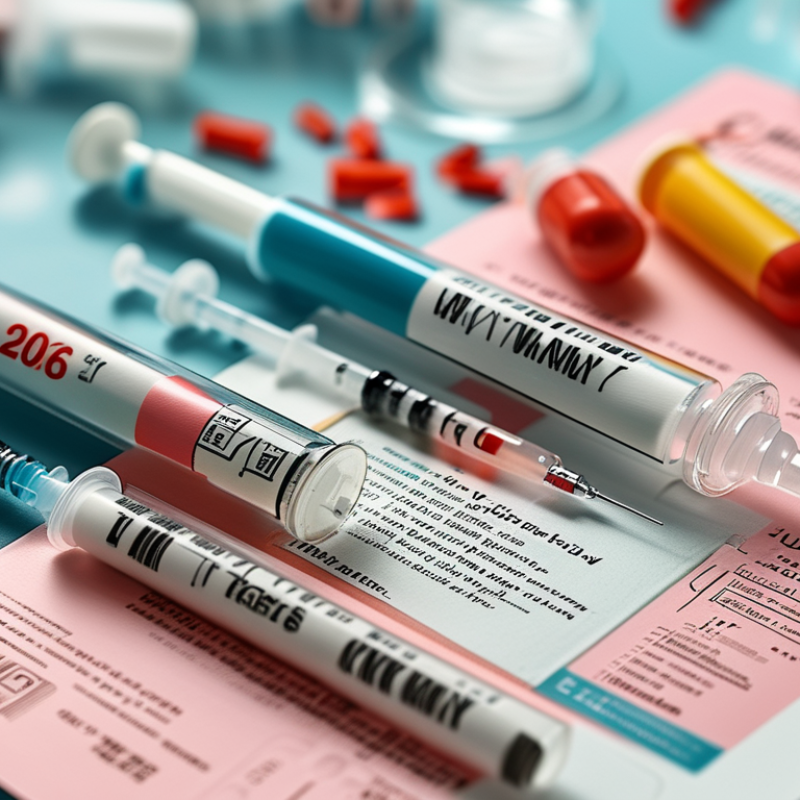
How to Choose Disposable Needles in 2026? Start with what they are. A disposable needle is a sterile, hollow metal cannula designed for one procedure. Its hub connects the needle to a syringe or compatible device. The angled bevel creates a sharp entry point through tissue. Fluid travels through the inner bore when pressure moves the syringe plunger. For withdrawal, pressure reverses. Simple mechanism.
The World Health Organization estimates that about 16 billion injections occur worldwide each year. This scale makes small design choices important. Needle gauge describes the bore diameter. A higher gauge usually means a narrower bore. Length affects access depth and handling control. The bevel, hub fit, and package seal also matter. ISO 7864 specifies requirements for sterile, single-use hypodermic needles. A careful buyer checks sterility indicators, expiry dates, visible damage, and device compatibility.
One common mistake is treating gauge as quality. It is not. A narrow needle may reduce discomfort, yet it can slow thicker fluid delivery. A wider bore may improve flow but require better handling. In practice, choose according to the intended procedure, fluid properties, tissue depth, and user training. CDC injection-safety guidance states that one needle and one syringe should serve one patient only. Never rely on appearance alone. A sealed package can still be unsuitable if storage conditions were poor. That detail is easy to overlook.