2026 Top Surgical Needles and Sutures Types and Uses?
In the world of surgery, precision is crucial. Surgical needles and sutures play vital roles in ensuring successful outcomes. These tools are not just instruments; they are extensions of a surgeon's skill. The right choice can make a difference in healing and recovery.
Surgical needles come in various shapes and sizes, tailored for specific procedures. Each type offers unique benefits. For instance, some are designed for delicate tissues, while others handle tougher materials. Selecting the correct needle is essential, yet it's often overlooked. Understanding their specific applications can be daunting.
Sutures, too, vary significantly. They differ in material, strength, and absorbability. A surgeon must weigh multiple factors when choosing sutures. The implications of these choices are profound. A wrong selection might lead to complications or delays in healing. Surgical needles and sutures should be chosen wisely, reflecting the complexities of each case.
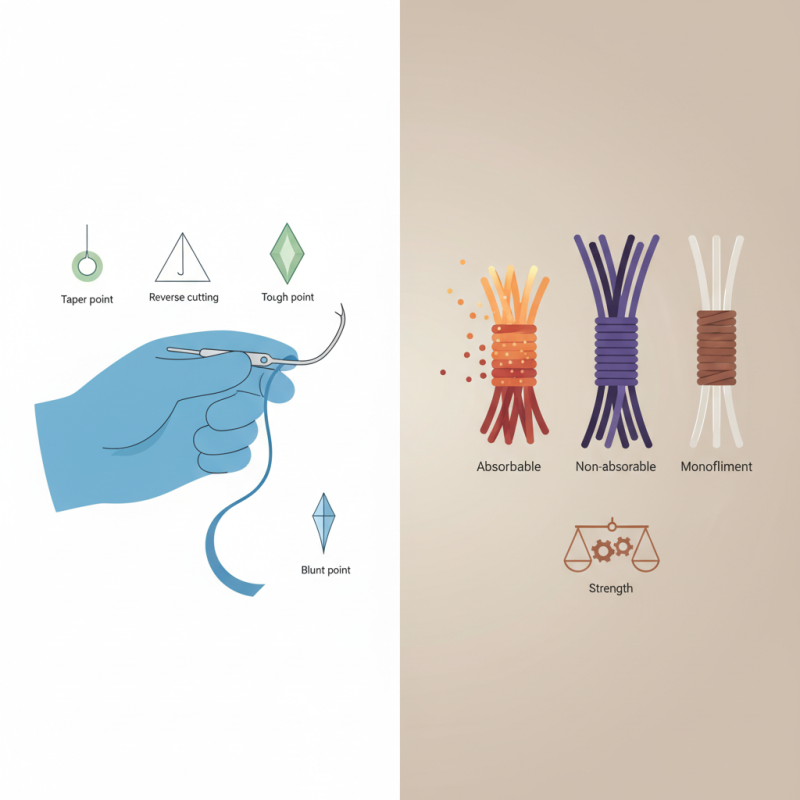
Overview of Surgical Needles: Types and Characteristics
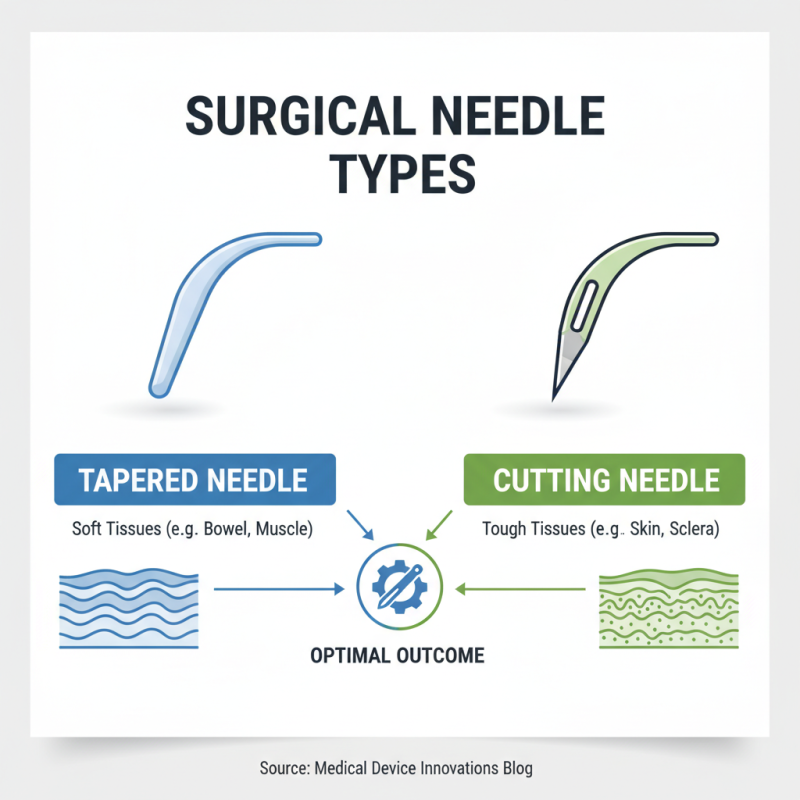
Surgical needles come in various types, each designed for specific purposes. The choice of needle affects the outcome of a surgery significantly. Needles can vary in shape, length, and the materials used. A common type of surgical needle is the tapered needle, which is great for soft tissues. The cutting needle, on the other hand, excels in tougher tissues.
When selecting a needle, consider the tissue type and the desired outcome. The choice of suture can enhance the needle's effectiveness. Some needles are curved, making them easier to use in tight spaces. Straight needles are also available, which allow for precision in certain scenarios.
**Tip:** Always evaluate the needle's properties before surgery. A needle that works well in one situation may not be effective in another.
Sutures also have characteristics that matter. Absorbable sutures dissolve over time, while non-absorbable ones require removal. Each choice changes how a wound heals. Understanding the different types of sutures allows for better healing processes.
**Tip:** Review your options carefully. Mistakes in suture choice may lead to complications later. Surgical success often hinges on these details.
Classification of Sutures: Absorbable vs Non-Absorbable
Sutures come in two main types: absorbable and non-absorbable.
Absorbable sutures dissolve over time. They are made from materials like polyglycolic acid or catgut.
These sutures are ideal for internal tissues. They gradually break down, eliminating the need for removal.
Non-absorbable sutures, on the other hand, do not dissolve.
They are usually made from materials like nylon or silk. These sutures are commonly used for external wounds.
They require removal after the healing process. However, they can sometimes cause irritation.
Choosing the right type is crucial.
Understanding the differences in suture types is essential for effective wound management.
It’s not always straightforward. Surgeons must consider the wound location, tissue type, and patient needs.
Mistakes can happen. Sometimes, a chosen suture may not work as intended.
This highlights the importance of ongoing education and reflection in surgical practices.
Common Surgical Needle Designs and Their Specific Applications
Surgical needles come in various designs, each tailored for specific procedures. For instance,
tapered needles are excellent for soft tissue, offering
smooth penetration. They glide through muscle and fat easily.
Round-bodied needles excel at minimizing
trauma, making them ideal for delicate suturing tasks.
On the other hand, cutting-edge needles are better for tough or
dense tissues. Their sharp edges allow for precise cuts. Yet, using them
requires skill to avoid unnecessary damage.
Interspersed with these options, there are blunted needles used
primarily for suturing organs or blood vessels. They reduce the risk of puncturing delicate structures.
Each design has its place, but some surgeons may struggle with their choices. An inappropriate needle
could result in complications or delayed healing.
Understanding the specific application of each type is key. A well-chosen needle leads to better outcomes,
while a hasty decision can hinder recovery. The nuances of surgical needles highlight the balance
between precision and care.
Innovative Suturing Techniques in Modern Surgery
Innovative suturing techniques are transforming modern surgery. Surgeons are now using advanced methods that enhance healing and reduce scars. Techniques like tissue adhesives and staples are becoming more common. These methods can save time, but they require skill to execute effectively. The learning curve can be steep, and not all surgeons have access to the same training.
Another exciting advancement lies in robotic-assisted suturing. This technology allows for precision that surpasses manual suturing. Robots can make intricate stitches, which can minimize trauma to surrounding tissues. However, this technology is not without its challenges. Surgeons must adapt to operating alongside machines, which can feel unnatural at first.
Suturing techniques continue to evolve, driven by innovation and necessity. New materials and methods emerge frequently, but the basics remain essential. Surgeries can still fail due to improper techniques. Critical analysis of outcomes is necessary. Each procedure should prompt reflection on what worked and what needs improvement.
Future Trends in Surgical Needles and Sutures Development
The future of surgical needles and sutures is evolving rapidly. Innovations focus on enhanced materials and designs. Biodegradable sutures are gaining traction. These options reduce the need for removal surgeries. They can also minimize the risk of infection.
Smart needles that monitor healing are on the horizon. They may provide real-time data to surgeons. This could change how postoperative care is managed. Many surgeons express concerns about these technologies. There is a need to balance innovation with patient safety.
Educating medical professionals about new tools is crucial. They must understand the use and limitations of emerging options. Not every new development suits every procedure. Some classic techniques may still be the best choice. Adaptation will be key for a successful transition into this new era.